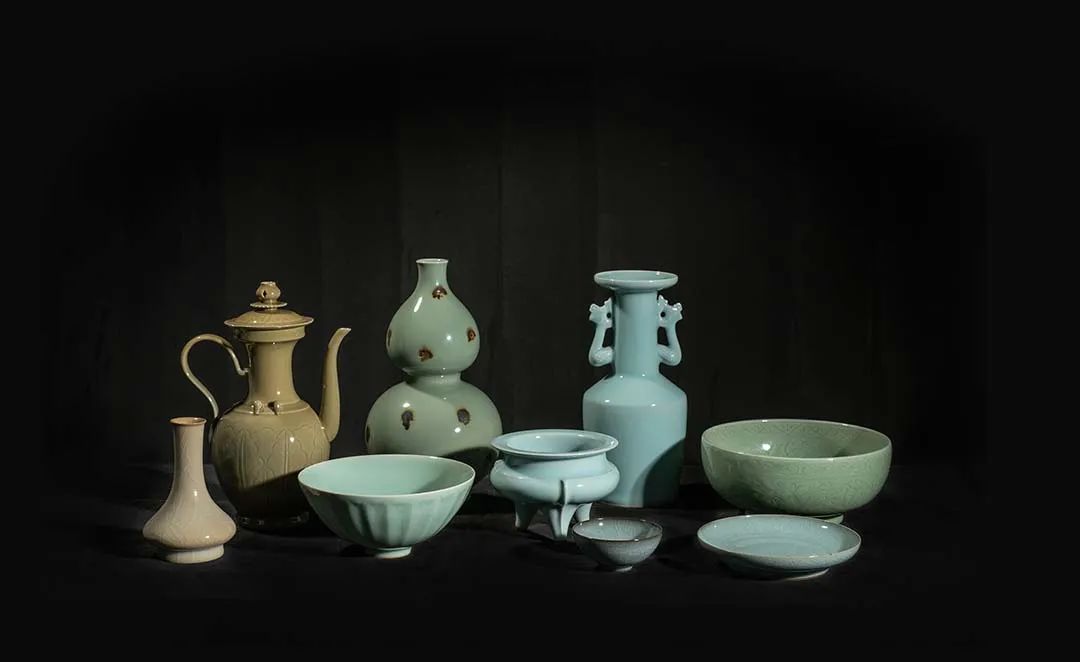
Chinese Porcelain Making
Introduction
Chinese porcelain making is a time-honored craft that has been developed and refined over centuries. Known for its delicate craftsmanship, innovative techniques and cultural significance, Chinese porcelain has become one of the most admired and collected art forms worldwide.
Historical Overview
Primitive porcelain first appeared in China over 3,000 years ago during the Shang and Zhou dynasties (c.16th century-256 BC). This early form of porcelain was a transitional product between pottery and true porcelain. The firing techniques used were quite rudimentary, and the firing temperatures were relatively low.
True porcelain in China emerged over 2,000 years ago during the Eastern Han Dynasty (25-220). In the southern region of Shaoxing, Zhejiang, late Eastern Han porcelain kiln sites have been discovered. The celadon shards found there are characterized by their fine texture, glossy and smooth glaze, and the tight bond between the body and the glaze. These pieces meet the standards of true porcelain.
The Tang Dynasty (618-907) was the first peak period in the development of Chinese porcelain. During this time, the production of porcelain became more sophisticated, leading to the development of various types of porcelain that varied in color, texture and style. The celadon ware from the Yue Kiln in the south and the white porcelain from the Xing Kiln in the north were equally renowned, giving rise to the saying "southern celadon and northern white."
The Song Dynasty (960-1279) saw further refinements, with the emergence of distinct kilns and techniques, contributing to what is often regarded as the golden age of Chinese porcelain. The five famous kilns of the Song Dynasty—Ru Kiln, Guan Kiln, Ge Kiln, Jun Kiln and Ding Kiln—produced a large quantity of porcelain with their own unique and innovatively glazed colors.
Techniques and Craftsmanship
Chinese porcelain making is characterized by its sophisticated techniques and exceptional craftsmanship. The process involves a combination of artistry and technical skill, with each piece reflecting the creativity and dedication of the artisan. Traditional Chinese porcelain making techniques emphasize the importance of detail, balance and harmony, resulting in works that are both aesthetically pleasing and functionally effective.
One of the key aspects of Chinese porcelain making is the use of various glazes, which not only enhance the visual appeal of the pieces but also contribute to their durability and functionality. The choice of glaze and its application require careful consideration, as different glazes react differently to heat and other factors during the firing process. Additionally, the design and decoration of porcelain pieces often incorporate motifs and symbols that hold cultural significance, adding another layer of artistic value.
Longquan Celadon
Longquan celadon has a distinguished history that reflects the evolution of Chinese porcelain making. Efforts to preserve and promote the traditional techniques of Longquan celadon have led to its inclusion in UNESCO's Intangible Cultural Heritage list.
Longquan celadon gained prominence during the Song Dynasty, when it was highly prized by the imperial court and exported to various regions around the world. The unique green glaze, achieved through the precise control of kiln temperature and atmosphere, gives Longquan celadon its characteristic appearance, resembling the beauty of jade.
The production of Longquan celadon involves several meticulous steps, each requiring skill and precision. The process begins with the careful selection of clay, followed by shaping, refining and decorating the ceramic pieces. The glazing process is of particular importance, as it determines the final appearance and quality of the porcelain. Finally, the pieces are fired in kilns at high temperatures, a critical step that requires expert knowledge to achieve the desired results.
Cultural Significance
Chinese porcelain is more than just an art form; it is a reflection of Chinese culture and history. Porcelain pieces often embody the philosophical and aesthetic values of Chinese society, such as harmony, balance and natural beauty. They are also representative of the technological and artistic achievements of the periods in which they were produced.
Throughout history, Chinese porcelain has played a significant role in cultural exchange and trade, with pieces being exported to various regions and influencing the development of ceramic arts globally. Chinese porcelain's distinctive style and superior quality have made it highly sought after by collectors and connoisseurs worldwide, further solidifying its status as a symbol of Chinese cultural heritage.
Global Influence
The influence of Chinese porcelain extends beyond the borders of China, having a profound impact on ceramic arts and crafts around the world. The export of Chinese porcelain, particularly during the Ming (1368-1644) and Qing (1644-1911) dynasties, introduced new styles, techniques and aesthetics to other cultures, inspiring local artisans and leading to the development of unique porcelain traditions in other countries and regions such as Japan and Europe.
In Europe, the admiration for Chinese porcelain led to the establishment of porcelain manufactories, such as Meissen in Germany and Sèvres in France, which sought to replicate the quality and beauty of Chinese ceramics. This cross-cultural exchange not only enriched the global art scene but also fostered a deeper appreciation for the intricacies and artistry of Chinese porcelain making.
Modern Developments
In contemporary times, Chinese porcelain making continues to evolve, blending traditional techniques with modern innovations. Artisans and craftsmen strive to preserve the rich heritage of Chinese porcelain while exploring new forms and styles that reflect the changing tastes and artistic expressions of modern society. The global appreciation for Chinese porcelain remains strong, with exhibitions, auctions, and collections showcasing the timeless beauty and craftsmanship of this ancient art form.








